
From checking your water quality, prepping for hurricanes and finding affordable housing, SA国际传谋's team has spoken to the experts to compile handy guides and resources on navigating life in South Florida.
-
 Whether you're a longtime Florida resident or a recent transplant, we all have to navigate hurricanes. This beginner鈥檚 guide to hurricane season in South Florida will break down the difference between storm watches and storm warnings; what not to do as a storm develops and what to put in your hurricane kit.
 -
 Insurance is supposed to soften the blow when homes burn or flood. With some preparation, you can better your odds of a smoother recovery if disaster strikes.
 -
 Clear skies can be misleading. In Florida, some of the most dangerous hurricane hazards begin after the storm鈥攄uring cleanup, return, and recovery.
 -
 During storm season focusing on protection during the storm is mission critical. And in Florida, that can mean wind, water, and tornadoes all unfolding at the same time.
 -
 In Florida, evacuation and final preparations need to happen before conditions deteriorate鈥攂ecause the safe window often closes faster than expected.
 -
 The first named cyclone in the Atlantic basin typically forms around June 20, with meteorologists tracking the first hurricane by Aug. 11. The first named storm will be Arthur.
 -
 For Florida, hurricane season prep starts with understanding that not all risk looks the same. Hurricane impacts can include storm surge, inland flooding, destructive wind, tornadoes, and more.
 -
 Pell Grants and federal student loans will still be processed. However, the speed of new FAFSA applications may slow down due to staff furloughs at the Department of Education and the Federal Student Aid program, one expert explained to SA国际传谋.
 -
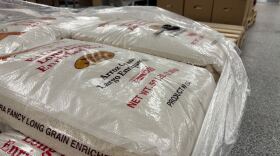 Roughly one in 10 Palm Beach residents rely on food assistance benefits, which were halted on Nov. 1 due to the ongoing federal government shutdown.
 -
 NYT Travel: Why did Key West, a city of 25,000 at the marshy tip of Florida, attract 4.6 million visitors last year? There are no theme parks, no golf courses, no casinos, and there are better beaches in far more obscure Florida cities. It鈥檚 probably the most charming, but unquestionably the least air-conditioned, city in a state where frosty AC is a sacrament.
 -
 In Florida, drowning is the leading cause of accidental death for children ages one through four. And for children with autism, the risk is even greater. To help families protect their children, experts have released a new water safety guide tailored specifically for children with autism.
 -
 FEMA says that over 48,000 applications for disaster assistance after last year's trio of hurricanes are still listed as "ineligible" because of a lack of documentation.


